

Mon Jul 13 2026
Credit Card Annual Fees and Why They’re Charged
Credit card annual fees might feel unnecessary, but they serve a valid purpose. Here’s why they’re charged and how they may affect you.

FDIC-Insured - Backed by the full faith and credit of the U.S. Government
Author: Jim Marous
May 26, 2026
Building Stronger Futures Through Credit Access
It can be difficult to rent a car, book a hotel room, or sign up for a streaming service without a credit card. Try buying something online, handling an emergency repair, or even joining a gym without one.
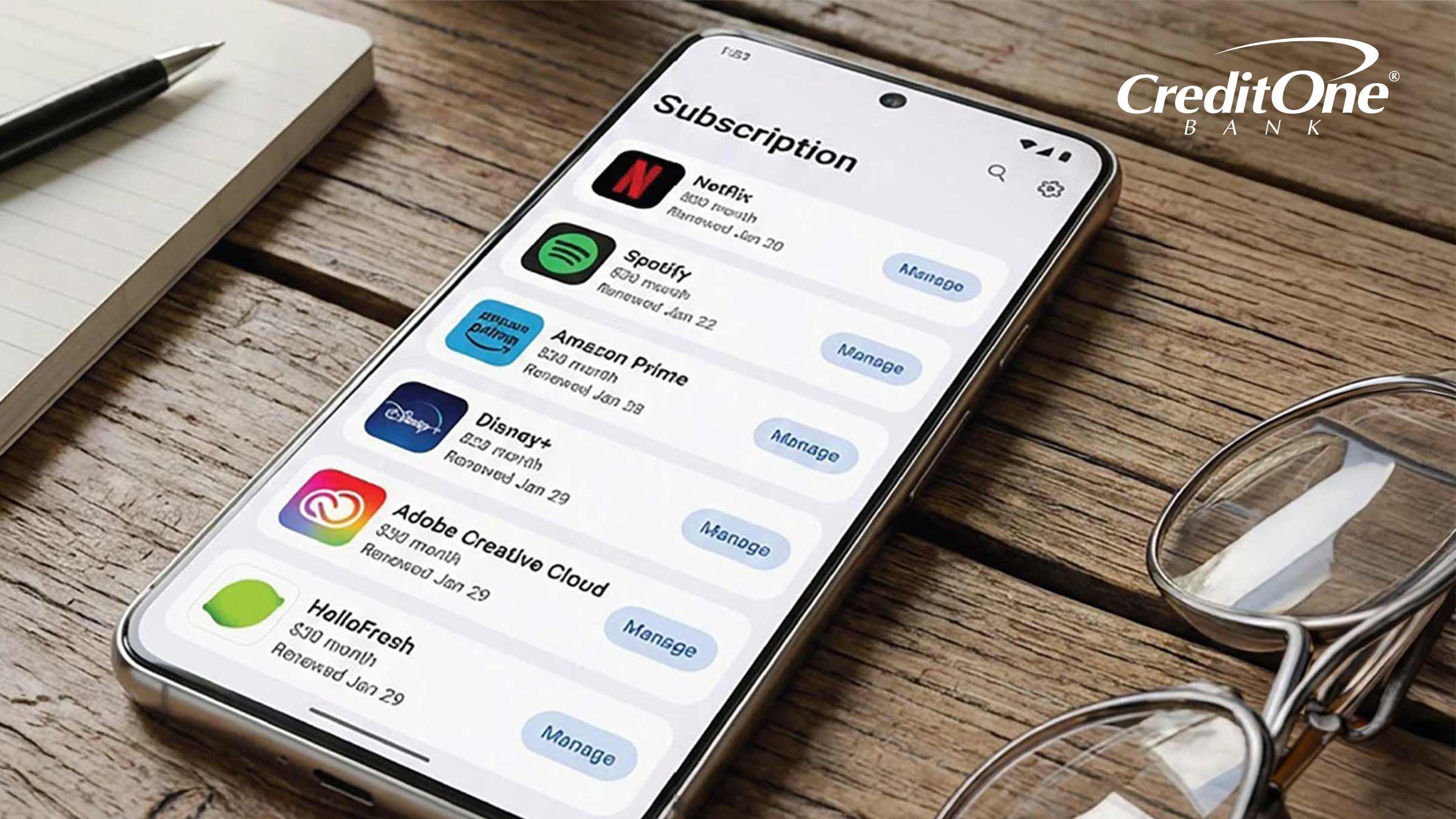
Credit is no longer a luxury; it is essential for participating in modern economic life. Yet, at the very moment daily life demands broader access, millions of Americans with less-than-perfect credit are seeing doors close.
Our national survey of banks, credit unions, and fintech companies confirms what many in the industry already know but rarely discuss openly. While institutions talk about financial inclusion, their credit decisions tell a different story. The gap between aspiration and action is widening.
Research from the CFPB, the Financial Health Network, the Federal Reserve, and EverFi confirms this pattern. The consumers who need responsible credit access the most are often the ones losing it.
As Steve Min, Chief Credit Officer at Credit One Bank, notes, “About a quarter of the population has a credit score where they may not be able to get credit from a larger institution.”
Read the full white paper here.

PDF, 1.2 MB

About the author:
Jim MarousNamed as one of the most influential people in banking and a “Top 5 Fintech Influencer to Follow,” Jim Marous is an internationally recognized financial industry strategist, co-publisher of The Financial Brand and owner and publisher of the Digital Banking Report.
As a sought-after keynote speaker, author and recognized authority on disruption in the financial services industry, Jim has spoken to audiences worldwide. He has been featured by CNBC, CNN, Cheddar, The Wall Street Journal, The New York Times, The Financial Times, The Economist and American Banker.
This material is for informational purposes only and is not intended to replace the advice of a qualified tax advisor, attorney or financial advisor. Readers should consult with their own tax advisor, attorney or financial advisor with regard to their personal situations.
Mon Jul 13 2026
Credit card annual fees might feel unnecessary, but they serve a valid purpose. Here’s why they’re charged and how they may affect you.

Mon Jan 26 2026
Some credit cards charge an annual fee while others don’t, so why choose the paid option? Learn how to pick the right option for you.

Sat Nov 11 2023
Everything from entertainment media to home decor is increasingly becoming subscription-based. As this trend continues, it’s important to understand how subscriptions can