
Mon Nov 17 2025
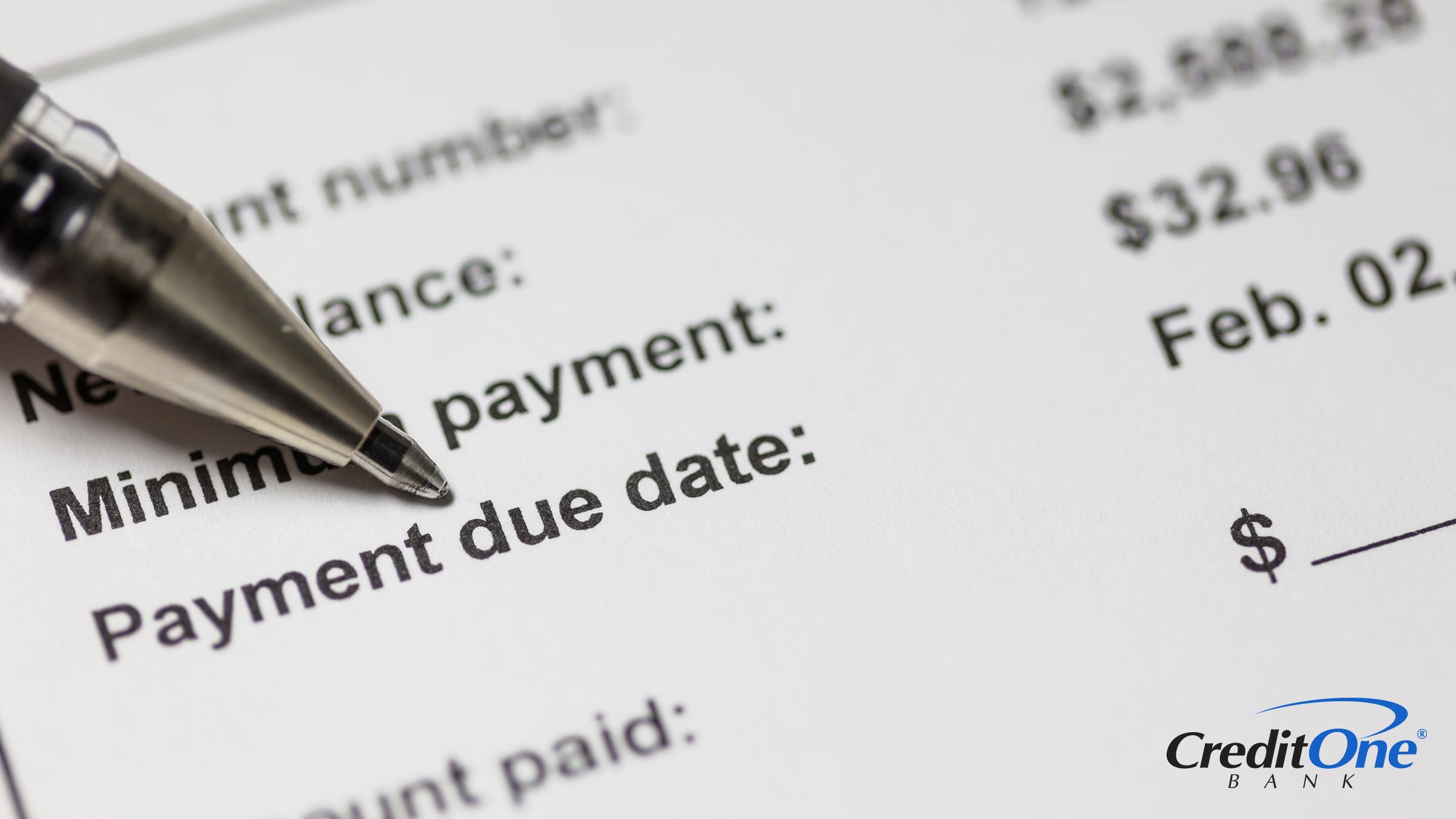
Credit Card Payment Due Date vs Statement Closing Date
Many people confuse their credit card statement closing dates with their payment due dates, but it’s important to know the difference between the two.

FDIC-Insured - Backed by the full faith and credit of the U.S. Government
Author: Heather Vale
February 25, 2026
Topics:
Credit CardGrace periods can help you avoid interest charges if you follow a few key rules. Find out how it works and when to pay what.

In this article:
The Credit Card Accountability Responsibility and Disclosure Act of 2009 — better known by the apt acronym, Credit CARD Act — put certain conditions in place to protect consumers.
For example, according to Section 163 (Timing of Payments):
“A creditor may not treat a payment on an open end consumer credit plan as late for any purpose, unless the creditor has adopted reasonable procedures designed to ensure that each periodic statement including the information required by section 127(b) is mailed or delivered to the consumer not later than 21 days before the payment due date.”
So what does that mean? It says that you, as a cardholder, have at least 21 days to submit your payment after your billing cycle ends and your statement is made available to you — which is known as your statement closing date.
For example, if your statement closes on the last day of the month, and your bill is available that day, your payment due date can’t be sooner than the 21st of the following month. That’s the law.
This doesn’t mean you can’t pay it sooner — you absolutely can pay your credit card early, and it’s a great idea to do that. But if you don’t, your credit card issuer can’t count it as late until 21 days or more have passed without receiving at least the minimum amount due.
A grace period is a span of time when you won’t be charged interest on new credit card purchases, as long as a few conditions are met. Many credit card issuers offer a grace period to cardmembers — but it’s not a requirement, so some creditors don’t.
To take advantage of a grace period, you typically have to meet at least two conditions.
You must pay your full balance owed by the payment due date. Not just the minimum payment. So if you have a grace period, and you charge $300 to your card and then pay the whole $300 before the due date, you won’t be charged interest on those purchases. But if you only make a partial payment, you’ll be charged interest on the remaining balance.
You must not have an outstanding balance at the beginning of your billing cycle. Grace periods only apply to new purchases, not previous balances. But in addition to that, you might actually lose your grace period if you already have a balance. So if your balance from the previous billing cycle is $100, and you make $200 worth of purchases, you’d have the same $300 balance as in the previous scenario. But this time, paying the full $300 before your due date probably won’t prevent you from being charged interest. You’ll likely be charged on both the $100 and the $200, because chances are you lost the grace period on new purchases by not paying off the previous purchases. Again, this isn’t written in stone, but it’s pretty common practice.
So you generally need to pay your full balance, on time and every time, if you want to qualify for a grace period. And that’s only if your credit card issuer offers a grace period in the first place. Once you’ve paid off your balance, you will often get any prior grace periods reinstated, but it sometimes takes a few months. Then you just need to keep zeroing out your balance each month to continue taking advantage.
If you have a grace period, the law says it has to be at least 21 days. It’s the same 21 days we talked about, which comes between your statement closing date and payment due date. Some credit cards might offer a longer grace period, but it will never be shorter because 21 days is the minimum.
Of course, it’s entirely possible to have a 0-day grace period if your creditor doesn’t offer one. You’ll still have at least 21 days to make your payment without late fees, but you might be racking up interest during that time.
Having a grace period on your credit card essentially means you can make interest-free purchases with it. So you can take advantage of the convenience and other benefits of a credit card, like payment protection and potential rewards, without giving a second thought to the published annual percentage rate (APR). As long as you keep paying your full balance owed, on time (or early) every month, you don’t have to pay interest. And that power is in your own hands.
Having a grace period doesn’t mean your credit card is free. You might still have fees associated with it, including an annual fee. But it does mean that if you keep paying off the full amount by the due date, you can expect to avoid paying interest for using that credit card — at least on new purchases.
Since it’s not required by law, you can’t just assume that you have a grace period on your credit card. The best way to find out for sure is to review your card’s terms and conditions page.
Credit card issuers are required to disclose the period that purchases may be repaid without incurring any finance charges. They put this in an easy-to-read, highly visible section of their cardholder agreement called a Schumer box. So, you can find out whether a credit card offers a grace period before even applying.
When you check the terms and conditions page, look for the section called “How to Avoid Paying Interest on Purchases.” You should see something along the lines of this: “Your due date is at least 24 days after the close of each billing cycle. We will not charge you any interest on Purchases if you pay your entire balance by the due date each month.” If that section isn’t included, then the card doesn’t have a grace period.
Every credit card comes with its own terms and conditions. However, if you have a grace period, you’ll typically only get to make use of it if you always pay your full balance on time. That means no carrying balances from month to month — even if it’s just a few dollars.
As long as you always pay in full and on time, your grace period eligibility should continue indefinitely. But if you carry a balance past your due date, you can expect to lose your grace period. This may be a temporary situation, or it could be permanent, depending on the card and its terms. Some cards require you to keep paying your balance in full for a certain time frame — like two consecutive months — before you earn the grace period back.
Not all charges to your credit card will qualify for a grace period. For example, most credit cards don’t offer grace periods for cash advances or balance transfers, regardless of what other conditions you may have met.
Cash advances: It’s quite common for a cash advance from your card to start accruing interest immediately, without any grace period. Cash advances may also be subject to a higher interest rate and other fees that don’t apply to a regular credit card purchase.
Balance transfers: If you do a balance transfer from one credit card to another to take advantage of a lower interest rate, you may lose the grace period on the new card. After all, a balance is a balance, so you’ll pay the interest on that transfer amount until you pay it off. And while the promotional APR might look extremely attractive, you could still be charged the regular interest rate on any new purchases, and that rate might be higher than the balance transfer rate.
The one bright spot here is that any payment you make above the minimum has to be applied to the higher-interest balance first, which is again thanks to the CARD Act.
But in any case, it’s important to check your credit card’s terms and conditions to find out what your grace period is, if any, and which kinds of transactions it applies to.
Being strategic is the best way to get ahead in the financial world. By taking advantage of a credit card’s grace period, you can use the card to finance purchases in the short term without incurring any interest charges. How long that “short term” is depends on when you make the charge.
For example, if you make a $100 purchase on the first day of your billing cycle, you technically wouldn’t have to pay that purchase back for over 50 days (30 days of the billing cycle + 21 days until the payment is due) and still not be charged interest, as long as you pay the entire balance due.
So if you use a credit card with a grace period strategically, you can spread out your purchases and still get items you want or need interest-free. You just have to make sure you pay your balance in full each and every month.
Let’s say you have a credit card with a grace period of 24 days and a $0 balance.
You make a $250 purchase with the card on July 1, and your billing cycle ends July 3.
You get a statement on July 3 showing the $250 charge and a due date of July 27 — which is 24 days later.
If you pay your full balance of $250 on or before July 27 at the cut-off time, you can avoid paying interest on that purchase.
In this example, you’re making the purchase at the end of your billing cycle, so you get less than a month interest-free. But if you made the purchase at the beginning of your billing cycle — like on June 4 in this case — you’d have an additional 29 days (from June 4 to July 3) to take advantage of the grace period.
Grace periods can be confusing at first glance. Let’s clear up some common myths and misunderstandings.
Credit cards don’t always offer a grace period. Checking your card’s cardmember agreement is the fastest way to find out if your card does have a grace period, and how long it is. Look for the Schumer box to help with this.
Grace periods don’t always apply to all transactions. The most common scenario for grace period eligibility is new purchases when the balance has previously been paid in full. Balance transfers and cash advances are often excluded from grace periods.
Missing a payment may void the grace period. If you pay in full and on time every time, you’ll usually be able to keep your grace period. But paying late by even one day can result in losing it, either temporarily or permanently. After that, you might face interest charges that start compounding on the transaction date.
Whether or not you qualify to have or maintain a grace period depends on a few things.
Credit card terms: The specific terms of your credit card determine how long your grace period lasts, if there is one. While the minimum is 21 days (when a grace period does exist), some cards and issuers may offer longer periods.
Promotional offers: Many credit cards offer a low introductory or promotional APR on purchases or balance transfers. This may help you avoid interest charges for a period of time, but it can also change the structure of your grace period. It’s not uncommon for a grace period to rely on an ongoing full balance payment — so carrying a balance while your interest is $0 might actually forfeit any grace period after the promotion ends.
Regular payments: Paying late, missing payments, or only paying part of your balance by the payment due date can mean losing your grace period for the next billing cycle or longer. Always paying in full and on time can help make sure you keep your grace period.
Consider using these strategies to make the most of your grace period if you have one.
Pay your statement balance in full by the due date. This is the one set of criteria that’s most often in place to help you avoid paying interest.
Set up AutoPay for the full balance. Many cards offer automatic payment options for the full balance, minimum due, or a custom amount. If you choose the full balance, you could lessen the likelihood of missing a due date and potentially losing your grace period.
Keep an eye on your cardmember terms. Your credit card’s terms and conditions can change over time. Creditors have to give you 45 days’ notice before changing your grace period, but it can happen. Staying on top of your agreement details can help avoid a last-minute shock.
If you have a grace period and you pay your full balance within the time frame designated in your terms and conditions — which is typically 21 to 25 days — you won’t be charged interest on new purchases. However, if you carry a balance, you may not qualify for a grace period.
No, grace periods do not impact your credit score or credit history directly. However, having a grace period may encourage you to make your payments on time, and not carry a balance. Those habits can have a positive impact on your credit over time.
You can’t pay your credit card bill late unless you’re willing to face negative repercussions. First, you’ll likely be charged a late fee. You may end up with a negative mark on your credit report. And you might forfeit any grace period you had, either temporarily or permanently.
No, cash advances usually do not qualify for a grace period. Instead, it’s common for interest to start accruing immediately after taking the cash advance.
No. If you have a grace period, it will usually only apply to new purchases that are paid off in full. It’s common for cash advances, balance transfers, and other types of transactions to start accruing interest charges immediately without grace periods.
Yes, you typically have to pay your full balance every time in order to qualify for a grace period.
Some credit cards may have grace periods where you don’t get charged interest on new purchases, as long as you zero out your balance each month by paying in full before the due date. Carrying a balance from month to month will likely negate your grace period, and you’ll end up being charged interest until you can pay down your debt again.
Knowing how grace periods work and how to find out if a card has one can go a long way toward optimizing your financial habits.
If you’re looking for a new card that may have a grace period, see if you pre-qualify for one from Credit One Bank. It takes less than a minute and won’t harm your credit score.

About the author:
Heather ValeHeather is an accomplished writer and editor in the financial and business industries, with expertise in credit building, investments, cryptocurrency, entrepreneurship, and thought leadership. She loves investigating and pulling apart complicated topics to make them simple, engaging, and easy to understand. But she also enjoys writing about the personal side of life, including self-help, creativity, relationships, families, and pets. She approaches everything from a yin-yang perspective, so her passion for wordplay and metaphors is always balanced with an intense focus on accuracy. Heather has a BFA in Visual Arts from York University, and has worked as a journalist in all media: TV, radio, print, and online.
Mon Nov 17 2025
Many people confuse their credit card statement closing dates with their payment due dates, but it’s important to know the difference between the two.

Wed May 15 2024
You know it’s bad to pay your credit card late. But is it bad to pay your credit card early?
Tue Aug 26 2025
Most of us like interest when earning it, but not when paying it. Some strategic financial moves will help you minimize or avoid these charges.